
Category Archives: Medical information and Research Data
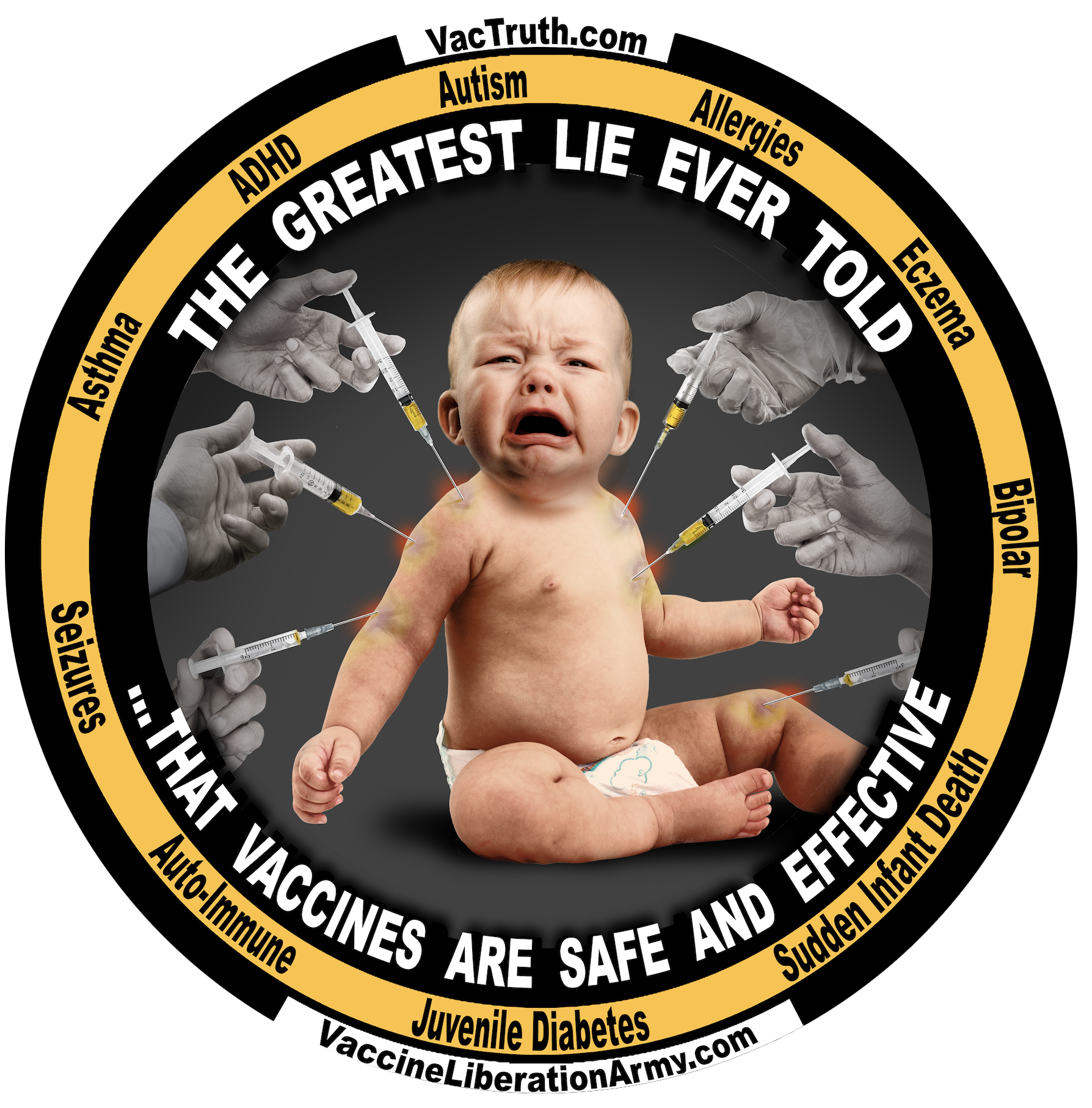
Study (2025): Argument that Vaccines cause Autism and more
Abstract
Much evidence has accumulated that vaccines not only cause
inflammation but also induce autoimmunity. While the efficacy for
many vaccines has been demonstrated in some form, such as prevention
of infection or reduction in severity of symptoms, the safety profile,
especially for the long-term, has not been well studied. Further, the longterm
efficacy of some vaccines is worse than normal immunity. All drugs,
including vaccines, need thorough studies of risk versus benefits. For
many drugs, the risks, and especially the long-term risks, have not been
thoroughly studied and therefore the risk versus benefit of the vaccine is
not understood. Long-term scientific studies from non-sponsors performed
by non-conflicted scientific groups in academia are needed to evaluate the
long-term safety of vaccines, and then the use of these data to develop
safer and more efficacious vaccines can be accomplished.
Vaccine_Induced_Autoimmunity_May_Cause_AUTISM.
Peer review of the unpublished FORD STUDY (vaccinated vs. unvaccinated) 2025
The analysis shows that vaccinated children were sicker in all 22 chronic disease categories listed — a pattern reinforced by two of the most striking findings in the dataset: a 549% higher rate of autism-associated neurodevelopmental conditions and a 54% elevation in childhood cancer in the vaccinated cohort. These signals emerge only when the data are analyzed proportionally, without the statistical distortions used in the original report.
The Lamerato et al. study of a total population of 18,468 individuals between birth and 18 years of age during the years from 2000 to 2016 — of which the 16,511 in the vaccinated cohort received a median of 18 vaccines, whereas the 1,957 in the unvaccinated cohort received none at all — probably represents the most comprehensive real-world comparison of vaccinated versus unvaccinated children ever conducted within a self-contained whole population in a full-service integrated health system in the US.
For context, we calculated that the current CDC childhood immunization schedule now contains at least 81 doses of vaccines by age 18 — more than four times higher than the median exposure in the Henry Ford cohort. This means that the dramatic disparities we uncovered in this dataset emerge even at a fraction of the full CDC schedule.
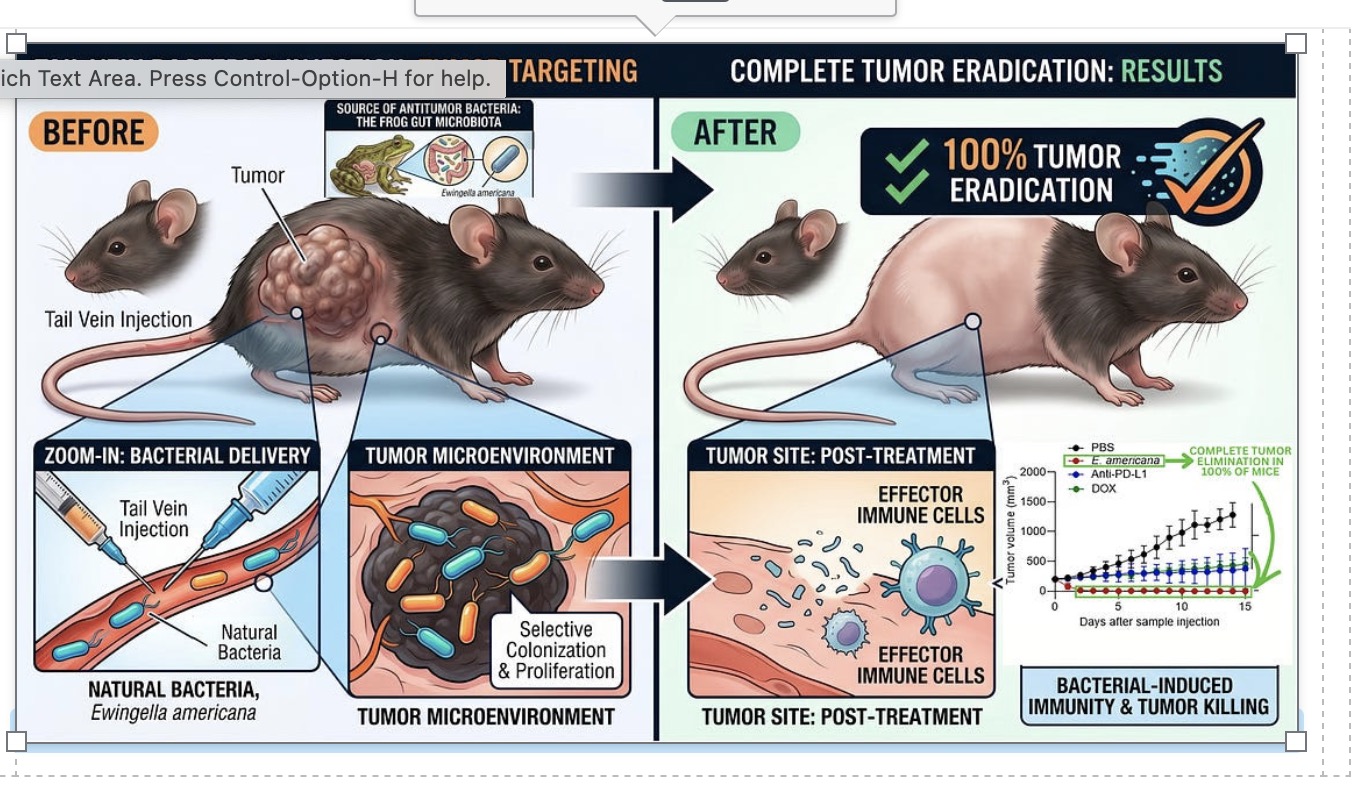
Natural Cancer Cure?
VLA COMMMENT: It is all about INFLAMMATION. Do you know that every Aluminum Adjuvanted Vaccine given every month or two, at every well baby visit for the first two years of life is called Immune Priming.
Adjuvants, like aluminum, “prime” the immune system by creating a brief inflammatory shock, signaling the body to react as if there’s an emergency—making the vaccine’s immune response stronger.
Bottomline: There is no respite between vaccines. The baby’s first two years is consistent state of inflammation. It is diabolical.
Goldman/Dannemann: CYP450 Mediated Metabolism: From SIDS to Suicide
This paper is the opening salvo to a robust version that is in progress. It will contain supporting scientific studies and additional references to enhance reliability, interpretative depth, clinical relevance, and up-to-date status. It will enable readers to see which variants matter and why, how much evidence there is, and additional, detailed, mechanistic background.
Check in for weekly updates
_GOLDMAN_DANNEMANN SIDS to Suicide
What common thread links Shaken Baby Syndrome, Sudden Infant Death Syndrome, Autism Spectrum Disorders, Neurological Developmental Disorders, and outcomes such as suicide or homicide?
MAID/Euthanasia: Targeting Homeless, Mentally Ill, Autism, Impoverished
VLA Comment: THE PANDORA’S BOX: In Canada where chronically ill people are being denied health care….instead… they are being offered Medically Aid in Dying (MAID). Lobbyists, NGOs are agressively pushing “dying with dignity” on many segments of the population.
Canadian Government Has Now Euthanized 90,000 Citizens with ‘Assisted Suicide’ Program
Behind the staggering death toll lies a grim reality as Canada’s collapsing socialized healthcare system is driving the sick and elderly toward euthanasia as an “alternative” to treatment.
“NAC’ SUPPLEMENT for depression and more…Dr. Ardis
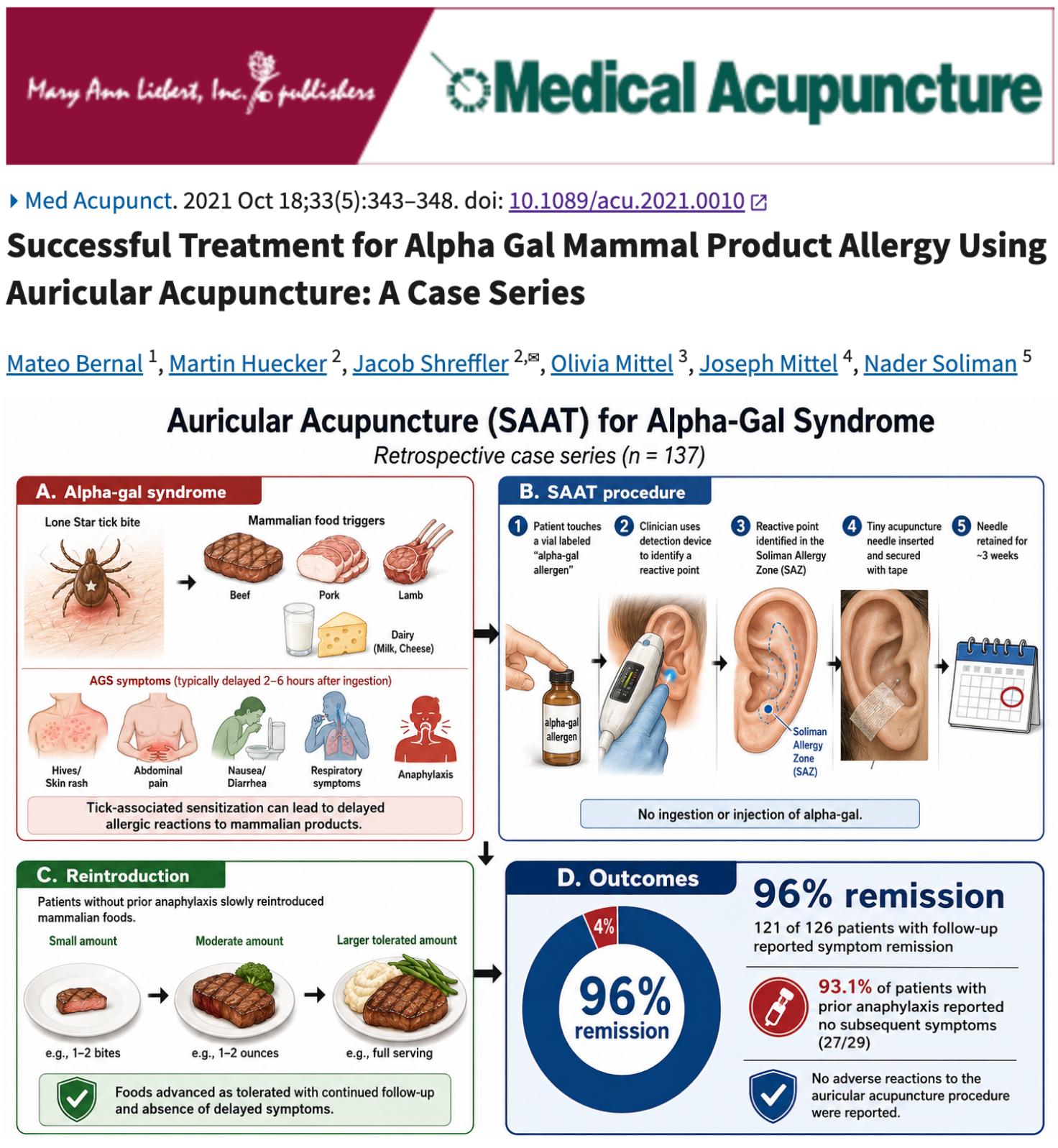
CATARACTS-Loss of Vision-BLINDNESS Caused by Prescription Drugs (Dr.Ardis)
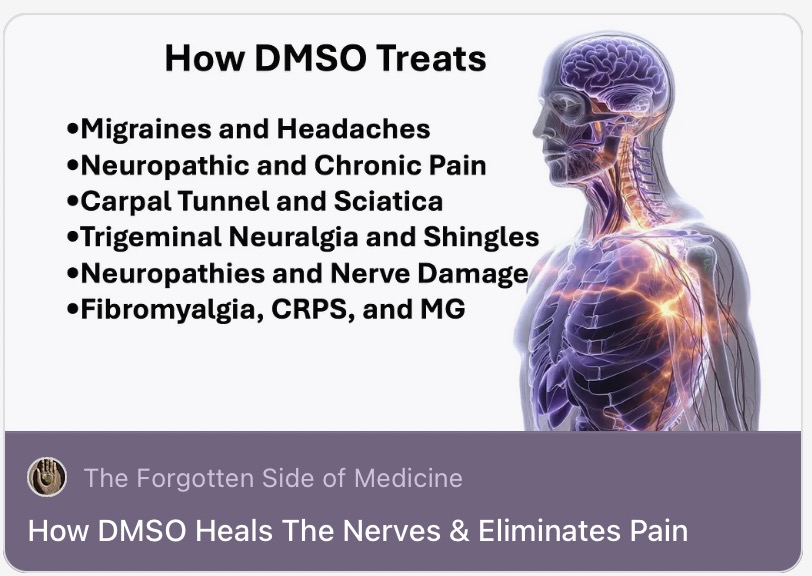
Dr. Mercola: Reveals dosage details of combining DMSO with Natural remedies
- While DMSO has a variety of positive pharmaceutical synergies, it appears to work best when combined with natural therapies.
Note: Natural substances tend to be less toxic than pharmaceuticals and thus much less likely to be harmful once potentiated with DMSO. Nonetheless, it is still critical to understand how to prepare these mixtures (discussed here) safely.
- Many have found that combining DMSO with their favorite natural therapies has allowed them to take medical care into their own hands and “be their own doctor.”
MERCOLA LINK
VLA Comment: Go to the Mercola link…At last, the Mother of DSMO studies and transparent dosage information from Dr. Mercola.
Drugs containing Tylenol
All drugs containing acetaminophen:
OTC
1. Tylenol: The most well-known brand for acetaminophen.
2. Excedrin: Often used for headaches, it combines acetaminophen with aspirin and caffeine.
3. NyQuil: A cold and flu medication that includes acetaminophen for pain relief.
4. DayQuil: Similar to NyQuil but formulated for daytime use.
5. Advil Dual Action: Combines ibuprofen and acetaminophen for enhanced pain relief.
6. Alka-Seltzer Plus: Some formulations include acetaminophen for cold and flu relief.
7. Midol: Often used for menstrual pain, some versions contain acetaminophen.
8. Aspirin-Free Excedrin: Contains acetaminophen, caffeine, and other ingredients for headache relief.
9. Bayer Back & Body: Combines acetaminophen with aspirin for back pain relief.
10. Aleve-D: Some formulations may include acetaminophen for added pain relief.
11. Tylenol Extra Strength: A higher dose formulation of acetaminophen for more severe pain.
12. Advil PM: Some formulations may include acetaminophen along with diphenhydramine.
Cold and Allergy Medications
1. Zyrtec-D: Some formulations may include acetaminophen for allergy relief.
2. Sudafed PE: Certain combinations may contain acetaminophen for cold symptoms.
3. Robitussin Cough + Chest Congestion DM: Some versions include acetaminophen for pain relief.
4. Vicks DayQuil: A daytime cold and flu relief option that contains acetaminophen.
5. Benadryl Allergy Plus Congestion: Certain formulations may contain acetaminophen for added relief.
6. Claritin-D: Some versions may include acetaminophen for allergy relief.
RX
1. Percocet: A combination of oxycodone and acetaminophen used for pain relief.
2. Tylenol with Codeine: Combines acetaminophen with codeine for more severe pain.
3. Fioricet: Contains acetaminophen, butalbital, and caffeine, often prescribed for migraines.
4. Vicodin: A combination of hydrocodone and acetaminophen, used for moderate to severe pain.
5. Lortab: Another combination of hydrocodone and acetaminophen.
6. Norco: Similar to Vicodin, it combines hydrocodone with acetaminophen.
7. Roxicet: A combination of oxycodone and acetaminophen, used for pain management.
8. Cocet: Combines acetaminophen with oxycodone for pain relief.
9. Fentanyl Combination Products: Some formulations may combine fentanyl with acetaminophen for pain management.
10. Lorcet: A combination of hydrocodone and acetaminophen.
11. Percodan: Combines oxycodone with acetaminophen for pain management.
12. Tylenol with Tramadol: A combination of acetaminophen and tramadol for moderate to severe pain.
Combination Products
1. Cold and Flu Formulations: Many products for cold and flu symptoms contain acetaminophen, such as Theraflu and Robitussin.
2. Pain Relievers: Some multi-symptom pain relievers may include acetaminophen along with other active ingredients.
3. Robitussin Multi-Symptom: Contains acetaminophen along with other ingredients for cough and cold relief.
4. Theraflu: Various formulations include acetaminophen for symptom relief.
5. Excedrin Tension Headache: Specifically formulated for tension headaches, containing acetaminophen.
6. Mucinex: Some formulations include acetaminophen for cold and flu symptom relief.
7. Coricidin HBP: Certain versions contain acetaminophen for cold symptoms, designed for those with high blood pressure.
8. Sominex: Some formulations may include acetaminophen for sleep aid with pain relief.
Pediatric
1. Children’s Tylenol: Liquid formulations specifically designed for children.
2. Infants’ Tylenol: Liquid acetaminophen specifically designed for infants.
3. Children’s Motrin: Some formulations may include acetaminophen alongside ibuprofen.
4. Children’s Advil: Some formulations may include acetaminophen alongside ibuprofen.
5. Pediatric Fever Reducers: Various brands offer liquid acetaminophen specifically for children.