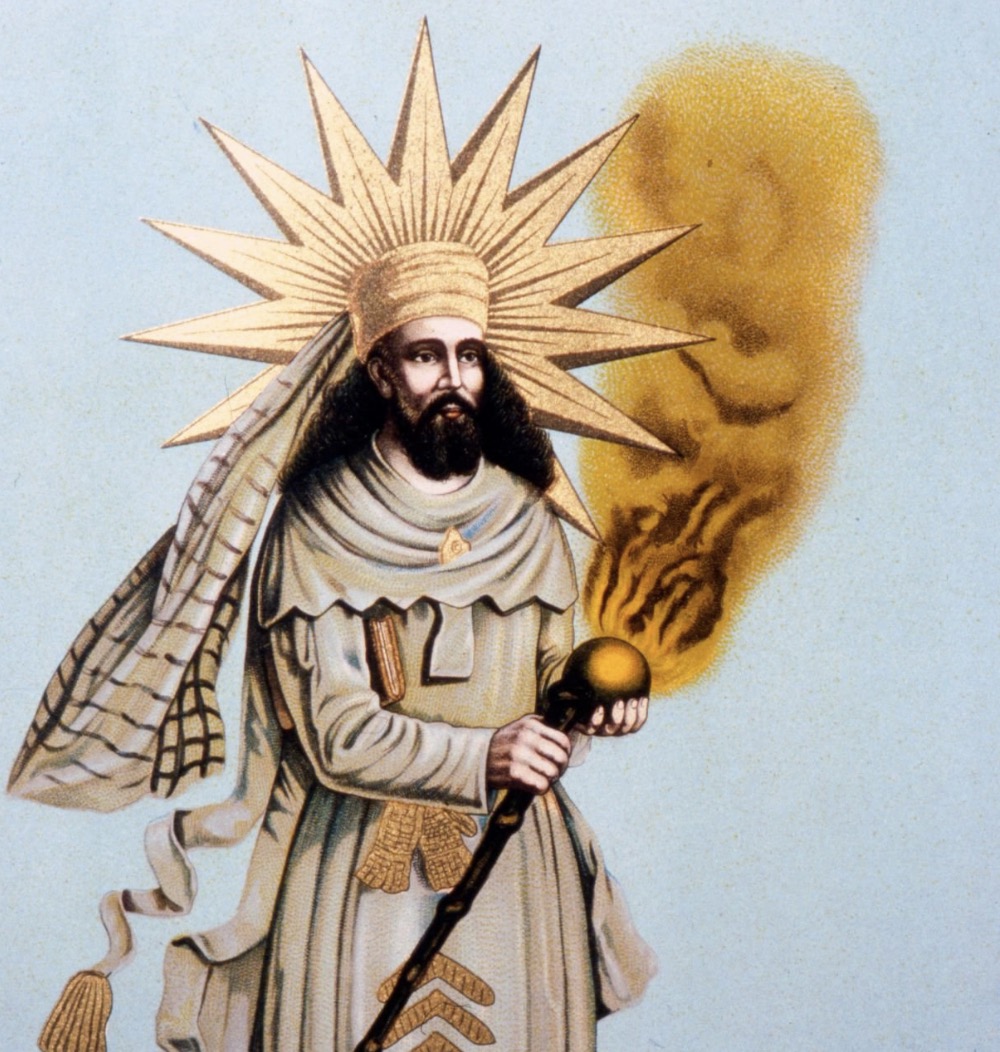
Jabontinsky: EARLY ZIONIST LEADER/founder of Revisionist Zionism “This is a 5 minute read”
“The Iron Wall (We and the Arabs)” by Ze’ev/Vladimir Jabotinsky, the 1923 essay, the Jabotinsky Institute provides a free English PDF. The Institute’s archive identifies it as Jabotinsky’s article first published on November 4, 1923.
Download “The Iron Wall” — free PDF from the Jabotinsky Institute
This is the essay itself rather than a later book about Jabotinsky’s “Iron Wall” doctrine. The Institute also has archival material combining “The Iron Wall” and “The Ethics of the Iron Wall,” its follow-up essay.
IDF
BETAR was the youth movement of Javontinsky’s Revisionist Zionism. It emerged in Riga, Latvia, in 1923, from a group organized by Aharon Propes after Jabotinsky addressed local Jewish youth. Jabotinsky became its ideological leader and later the head of World Betar. Betar emphasized nationalism, discipline, uniforms, physical training, self-defense, and military preparedness. The IDF itself wasn’t created until 1948. Betar did, however, become an important recruiting and ideological base for the Revisionist underground, especially the Irgun, some of whose members later entered the IDF.
Who was Jabotinsky?

Ze’ev (Vladimir) Jabotinsky (1880–1940) was a major early Zionist leader and the founder of Revisionist Zionism, a more nationalist and militant alternative to the mainstream Labor Zionism of his era. He advocated mass Jewish immigration to Palestine, Jewish self-defense, and the eventual creation of a Jewish state with a strong military capacity. In his influential 1923 essay The Iron Wall, Jabotinsky argued that Palestinian Arabs would naturally resist Zionist settlement and that Zionism could succeed only behind an “iron wall” of military strength until Arab leaders accepted the permanence of a Jewish national home. Although he died eight years before Israel was established in 1948 and therefore did not directly participate in its creation, his ideas strongly influenced the Revisionist movement, the Irgun underground organization, and later Israel’s political right, particularly Menachem Begin and the tradition that eventually produced the Likud party.
Two Jewish guys interview…How Daniel was brought up as a “settler” in Efrat, Israel: VERY REAL & INFORMATIVE
Daniel Klein was born and raised in Efrat, one of the largest religious Zionist settlements in the occupied West Bank. His family helped build the settlement movement, and he grew up immersed in its schools, institutions, theology, politics, and culture before serving as an IDF tank commander. In this conversation, Daniel shares an insider’s account of life inside the religious Zionist world, the psychology of belief, the realities of the settlement project, and how Zionism can present a different face to different people while maintaining a powerful hold over identity and belonging.
We discuss Efrat, the West Bank, violent settlers, the relationship between Judaism and Zionism, the dehumanization of Palestinians, military service, nationalism, religious identity, cognitive dissonance, moral injury, and the personal costs of dissent. Daniel explains why leaving Zionism can mean losing family, friends, community, status, and purpose. He describes the process by which ideological systems reproduce themselves, how Israelis are taught to understand Palestinians, and why so many people remain trapped inside narratives.
We also explore Daniel’s awakening during COVID, what caused his worldview to unravel, why he believes Israeli society is entering a period of profound crisis, and what lessons his journey offers for all of us.