Slide show: Pharmacogenetics of Suicides, Homicides and school shootings
Leave a reply
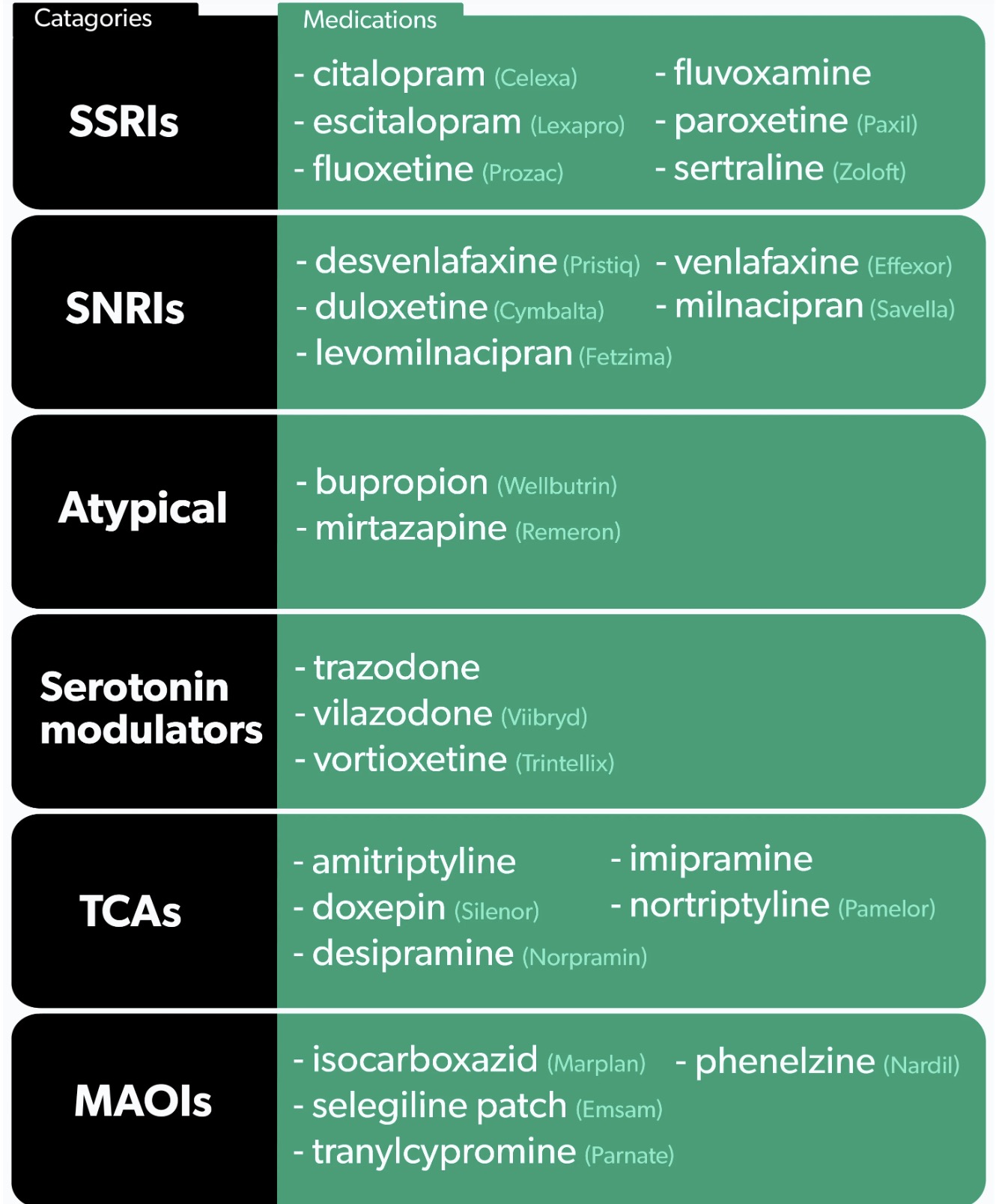
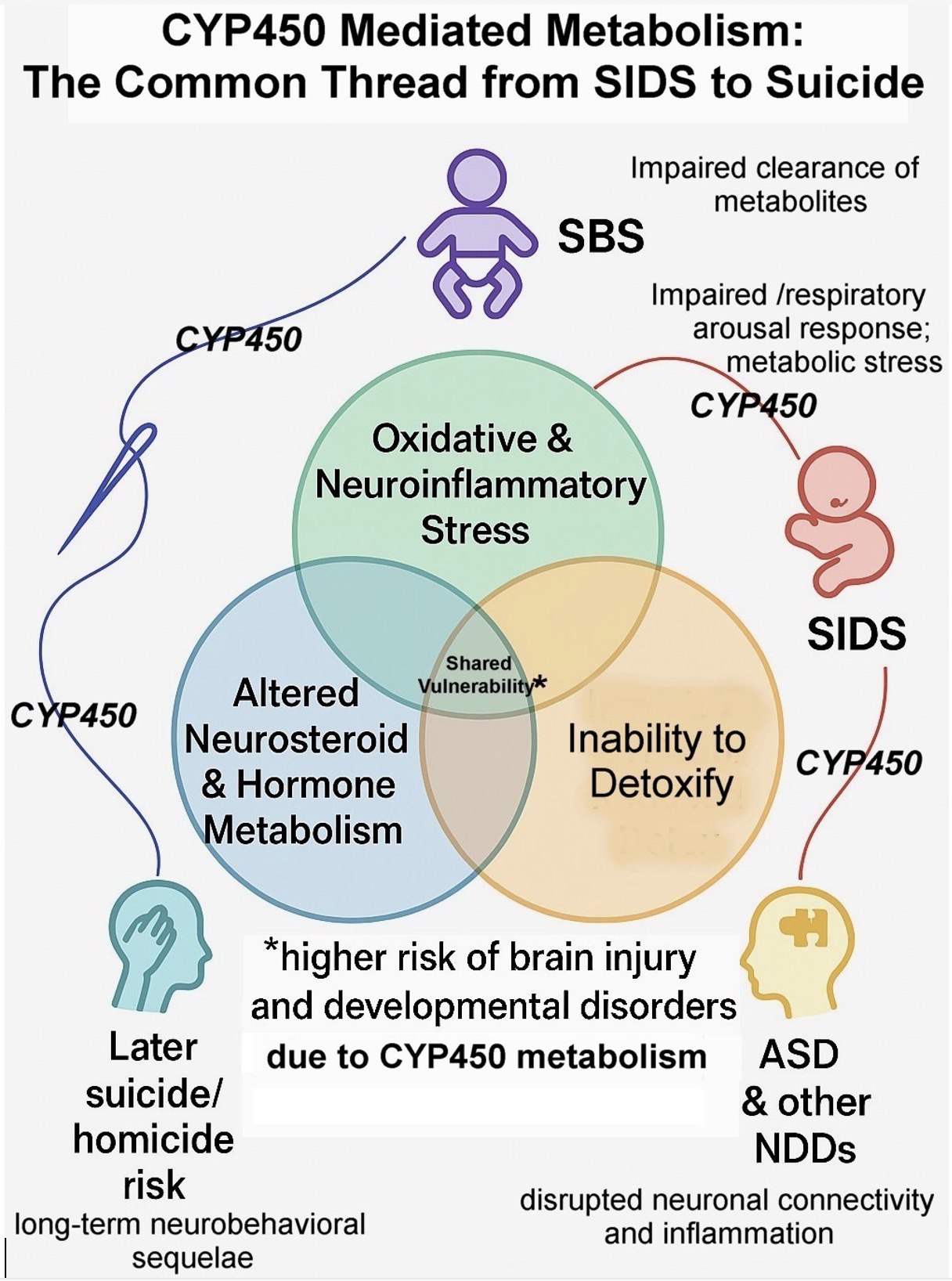
This paper is the opening salvo to a robust version that is in progress. It will contain supporting scientific studies and additional references to enhance reliability, interpretative depth, clinical relevance, and up-to-date status. It will enable readers to see which variants matter and why, how much evidence there is, and additional, detailed, mechanistic background.
Check in for weekly updates
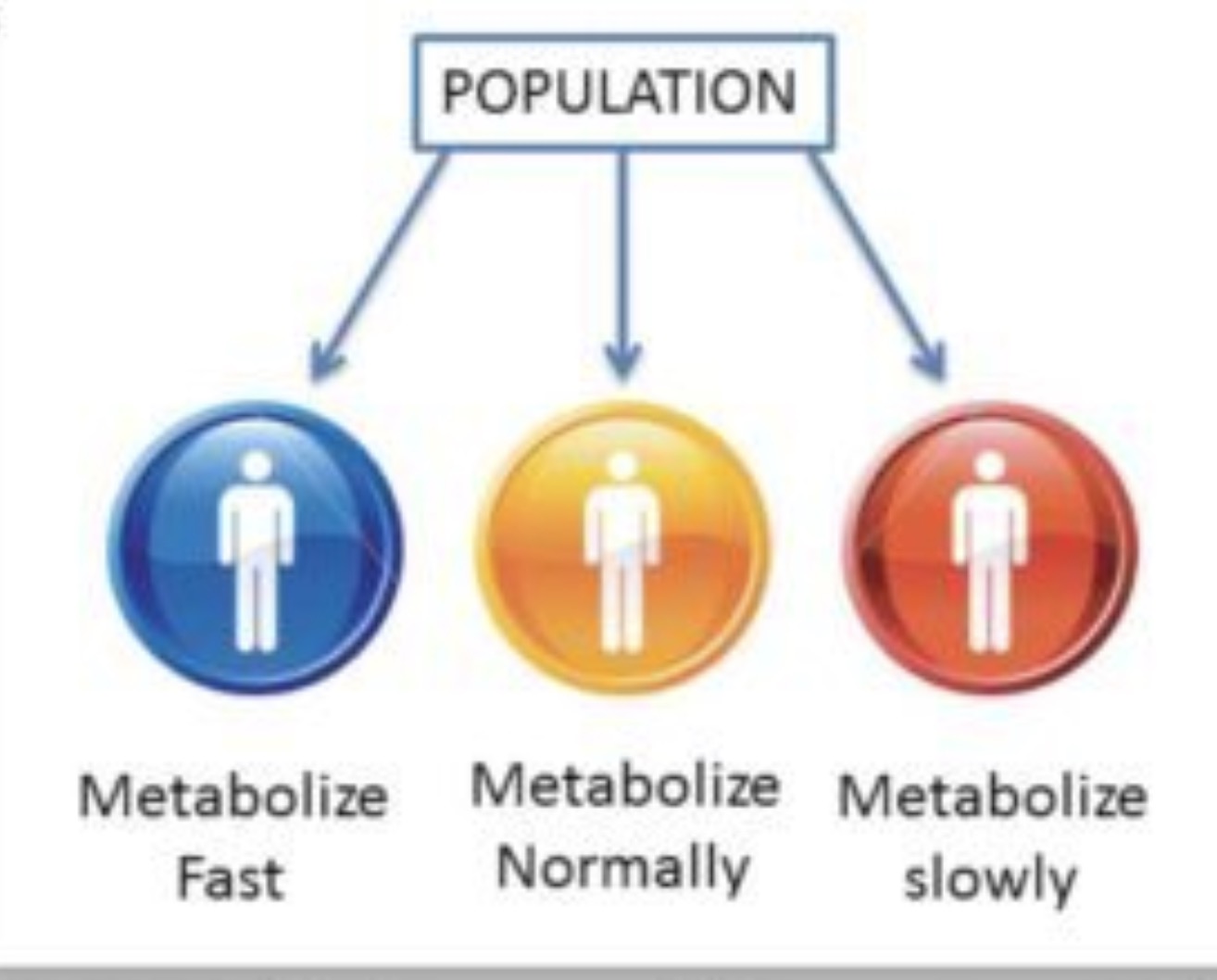
VLA Comment: Toxigenic xenobiotics included in vaccines, in trace amounts, given to neonates, infants and children for the first 3 years of their lives have not been studied for their elimination and detoxification. Research is widely established on the fact that Cyp 450 is immature in neonates, infants and children under 3. Cyp 450 doesn’t reach adult level until after 3 years old and some at 5 and 10 years old. If you add up a typical scenario (no delays, standard brands) by age ~2-3 years, the number of shots/doses is likely in the 20–30 injections range (counting multiple doses of each series)…that is an accumulation of 20-30 times of Trace amounts of toxigenic xenobiotics like Polysorbate 80, formaldehyde, glycerol, See vaccine excipient chart highlight for xenobiotics: Vaccine-excipients-HIGHLIGHTED-3
Suicides/Homicides: A STUDY BY DR. YOLANDE LUCIRE
VERY COMPELLING: List of suicides and homicides with psyche drugs (2011 then censored or stopped collecting data)
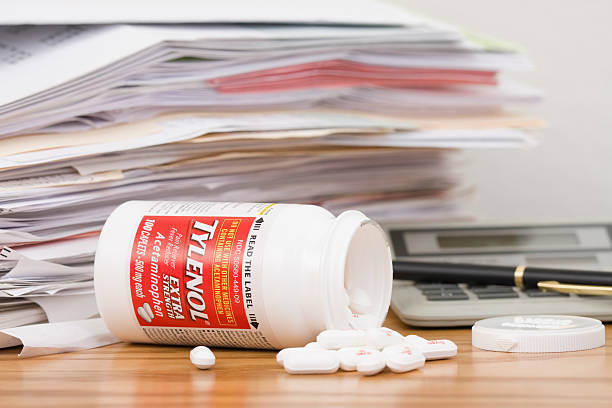
OTC
1. Tylenol: The most well-known brand for acetaminophen.
2. Excedrin: Often used for headaches, it combines acetaminophen with aspirin and caffeine.
3. NyQuil: A cold and flu medication that includes acetaminophen for pain relief.
4. DayQuil: Similar to NyQuil but formulated for daytime use.
5. Advil Dual Action: Combines ibuprofen and acetaminophen for enhanced pain relief.
6. Alka-Seltzer Plus: Some formulations include acetaminophen for cold and flu relief.
7. Midol: Often used for menstrual pain, some versions contain acetaminophen.
8. Aspirin-Free Excedrin: Contains acetaminophen, caffeine, and other ingredients for headache relief.
9. Bayer Back & Body: Combines acetaminophen with aspirin for back pain relief.
10. Aleve-D: Some formulations may include acetaminophen for added pain relief.
11. Tylenol Extra Strength: A higher dose formulation of acetaminophen for more severe pain.
12. Advil PM: Some formulations may include acetaminophen along with diphenhydramine.
Cold and Allergy Medications
1. Zyrtec-D: Some formulations may include acetaminophen for allergy relief.
2. Sudafed PE: Certain combinations may contain acetaminophen for cold symptoms.
3. Robitussin Cough + Chest Congestion DM: Some versions include acetaminophen for pain relief.
4. Vicks DayQuil: A daytime cold and flu relief option that contains acetaminophen.
5. Benadryl Allergy Plus Congestion: Certain formulations may contain acetaminophen for added relief.
6. Claritin-D: Some versions may include acetaminophen for allergy relief.
RX
1. Percocet: A combination of oxycodone and acetaminophen used for pain relief.
2. Tylenol with Codeine: Combines acetaminophen with codeine for more severe pain.
3. Fioricet: Contains acetaminophen, butalbital, and caffeine, often prescribed for migraines.
4. Vicodin: A combination of hydrocodone and acetaminophen, used for moderate to severe pain.
5. Lortab: Another combination of hydrocodone and acetaminophen.
6. Norco: Similar to Vicodin, it combines hydrocodone with acetaminophen.
7. Roxicet: A combination of oxycodone and acetaminophen, used for pain management.
8. Cocet: Combines acetaminophen with oxycodone for pain relief.
9. Fentanyl Combination Products: Some formulations may combine fentanyl with acetaminophen for pain management.
10. Lorcet: A combination of hydrocodone and acetaminophen.
11. Percodan: Combines oxycodone with acetaminophen for pain management.
12. Tylenol with Tramadol: A combination of acetaminophen and tramadol for moderate to severe pain.
Combination Products
1. Cold and Flu Formulations: Many products for cold and flu symptoms contain acetaminophen, such as Theraflu and Robitussin.
2. Pain Relievers: Some multi-symptom pain relievers may include acetaminophen along with other active ingredients.
3. Robitussin Multi-Symptom: Contains acetaminophen along with other ingredients for cough and cold relief.
4. Theraflu: Various formulations include acetaminophen for symptom relief.
5. Excedrin Tension Headache: Specifically formulated for tension headaches, containing acetaminophen.
6. Mucinex: Some formulations include acetaminophen for cold and flu symptom relief.
7. Coricidin HBP: Certain versions contain acetaminophen for cold symptoms, designed for those with high blood pressure.
8. Sominex: Some formulations may include acetaminophen for sleep aid with pain relief.
Pediatric
1. Children’s Tylenol: Liquid formulations specifically designed for children.
2. Infants’ Tylenol: Liquid acetaminophen specifically designed for infants.
3. Children’s Motrin: Some formulations may include acetaminophen alongside ibuprofen.
4. Children’s Advil: Some formulations may include acetaminophen alongside ibuprofen.
5. Pediatric Fever Reducers: Various brands offer liquid acetaminophen specifically for children.

VLA Comment: The most riveting documentary I have ever seen. Childhood vaccines that cause injury and behavior problems.Then psych drugs and medications that he could not metabolize. A real life horror story! If we had his DNA we could attempt to prove that the vaccines and wrong medications tortured and killed him.
Psychoactive Medication, Violence, and Variant Alleles for Cytochrome P450 Genes copy
 screen shot