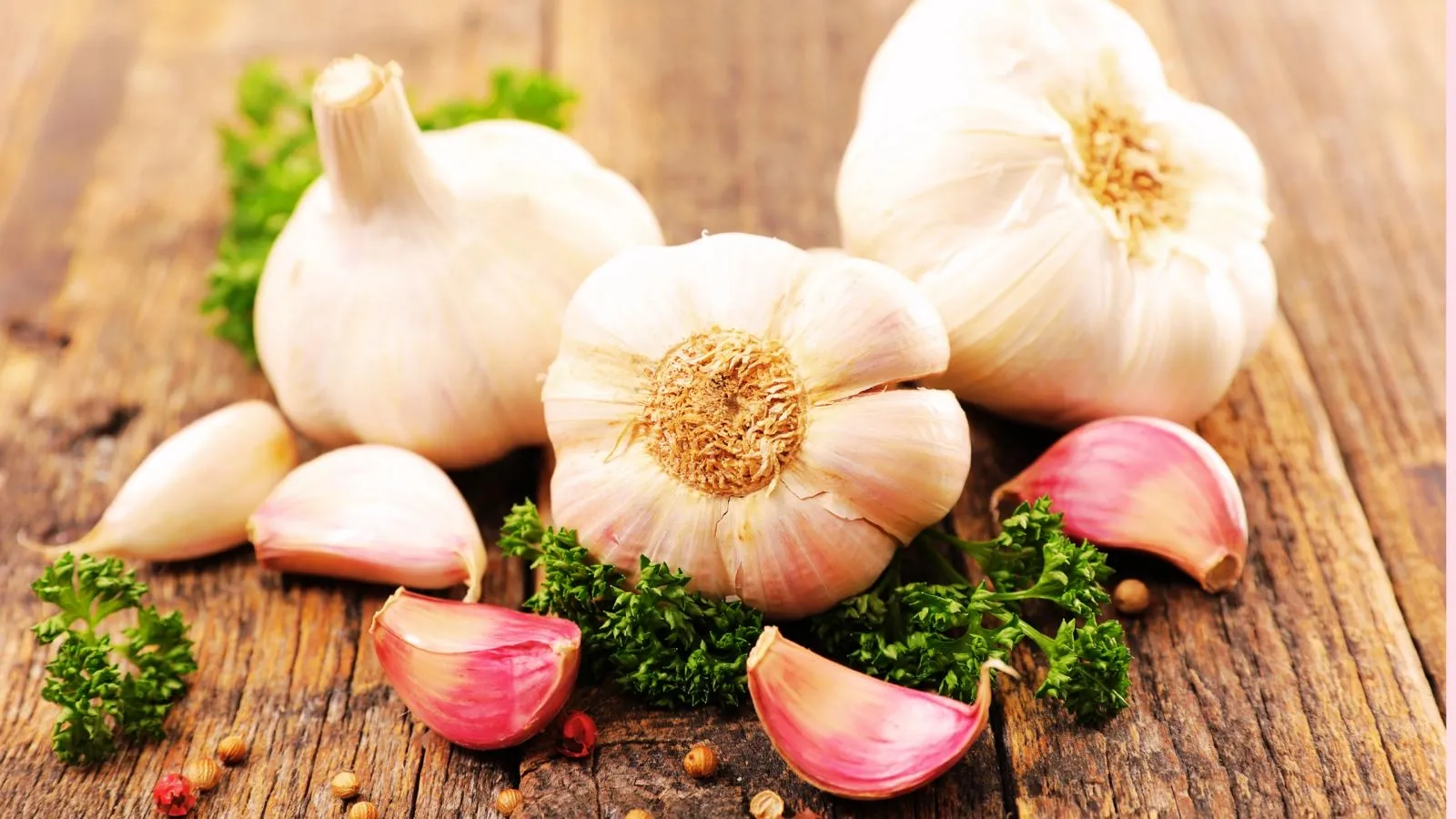
The Controversy Around Garlic
As dog owners, we only want the best for our precious pooches! And that’s where the confusion sets in – safe? Unsafe? My vet said it’s toxic! Someone on an online dog forum said it’s toxic, but another said its ok? The stigma around garlic really is huge! Some professionals will advise against it through no fault of their own – it’s often simply what is taught to them during their education.
The controversy all stems from one specific study on garlic, and it’s affects on dogs. Afterall, it’s relatives onion and leek are very much toxic to our pets, so why should garlic be ok when it contains the same active ingredient, allicin?READ MORE…
VLA COMMENT: Great site to check out the details for giving your dog Garlic.My yellow lab….never had a tick after I started giving her a 1/4-1/2 teaspoon of minced garlic with her wet food. There is another way to go….”Bug Off” for pets...OR Bug Zap. it is simply garlic/Allium. When you start off it takes about a week for full protection. I recommend people should try Allium supplements too to protect against ticks.

Typical Safe Range (Whole Garlic Equivalent)
Holistic veterinary sources (e.g., veterinary herbalists such as Richard Pitcairn) generally recommend:
| Dog Weight | Fresh Garlic Equivalent | Approx. Allicin |
|---|---|---|
| 10 lb (4.5 kg) | ~¼ small clove | ~3–5 mg allicin |
| 20 lb (9 kg) | ~½ clove | ~6–10 mg |
| 40 lb (18 kg) | ~1 clove | ~12–20 mg |
| 80 lb (36 kg) | ~2 cloves | ~25–40 mg |
(Allicin varies widely depending on garlic preparation; these are approximate.)
Chat GPT says 1/4 glove of garlic is equal to 1mg. of stabilized Allicin
If Using Allicin Supplements
Because allicin capsules are concentrated, a general guideline used by herbal vets is:
~1 mg allicin per lb of body weight per day
(or 2 mg/kg)
Example:
| Dog Weight | Approx. Allicin Dose |
|---|---|
| 10 lb | 8–10 mg |
| 20 lb | 15–20 mg |
| 40 lb | 30–40 mg |
| 60 lb | 50–60 mg |
This is typically given once daily with food during tick season.
Important Safety Notes
Do NOT exceed about 5 mg/kg/day of allicin equivalent long-term.
Avoid garlic/allicin if the dog:
-
has anemia
-
is a Japanese breed (Akita, Shiba Inu — more sensitive to oxidative damage)
-
is very small (<5 lb)
-
is taking anticoagulant medications
Effectiveness
Garlic does not kill ticks. Instead it works by:
-
producing sulfur compounds excreted through skin
-
making the dog less attractive to ticks and fleas
Most people combine it with:
-
brewer’s yeast
-
apple cider vinegar in water
-
frequent tick checks
Practical Veterinary Advice
Many holistic vets rotate garlic 3–4 days on, 3–4 days off to avoid buildup.

Screenshot
How to Supplement Garlic for Dogs and Cats
- Dr. Martin Goldstein: In “The Nature of Animal Healing,” Dr. Goldstein suggests adding garlic to homemade pet food, a practice he follows for his own pets.
- Gregory Tilford: Author of “Herbs for Pets: The Natural Way to Enhance Your Pet’s Life,” Tilford recommends 1/8 teaspoon of garlic powder per pound of food for dogs, 3-4 times per week. Cats, being more sensitive, should have less, and their intake should be monitored for any adverse reactions.
- Dr. Richard Pitcairn: In “Dr. Pitcairn’s Complete Guide to Natural Health for Dogs & Cats,” he advises up to ¼ clove of garlic per day for cats (1mg Allicin according to Chat GPT) and ½ to 3 cloves for dogs. He also suggests taking breaks from garlic at least one day per week.
- ¼ clove ≈ 1/32 teaspoon garlic powder (a tiny pinch)

Amount People Use When Trying to Repel Insects
People experimenting with garlic internally for insects (mosquitoes or ticks) typically take:
-
300–600 mg stabilized allicin daily
or -
2–4 cloves of garlic daily
The idea is that sulfur compounds (allyl sulfides) are metabolized and released through the skin and sweat, creating a scent some insects avoid.