MIT developing ALL-in-One Vaccine
Leave a reply
 Now MIT researchers are working on an all-in-one vaccine that would deliver the entire schedule of childhood vaccines in one shot. Read more…
VACCINE POLICY IS HARMFUL TO THE POPULATION
By Eileen Dannemann
A response to Jim Greenwood, self-interested CEO of a Biotech Company touting the value of the polio vaccine that contained the animal retrovirus Simian Virus 40: Immunization Safety Review SV40 Contamination of Polio Vaccine and Cancer states, “Despite its great value in controlling a devastating disease, polio vaccine is a source of concern because at least some of the vaccines used between 1955 and 1963, when more than 98 million persons were vaccinated in the United States, are known to have been contaminated with SV40. In rodents, the injection of SV40 has been associated primarily with four types of cancer: mesothelioma, osteosarcoma, ependymoma, and lymphomas. Investigators have also detected SV40 DNA in human forms of these cancers.” Cells transformed by SV40 have been shown to grow in humans and become tumors (Jensen et al., 1964)
Biotech recently discovered that natural childhood diseases, such as measles, chicken pox, etc. protect against certain cancers. Biotech researchers are genetically engineering the measles virus, patenting it and using it to attempt to cure cancer. Why doesn’t the establishment (those who mandate vaccines) let us have our “free” early childhood disease that protect against cancers as opposed to preventing our children from getting the harmless early childhood diseases and getting cancer that could have been prevented? Today, the leading cause of children’s deaths is cancer. Why? Here is why! You can see how a retrovirus, found contaminating the Polio vaccine, splices itself into human DNA and is perpetuated in offspring: Animation of Retroviruses.
Hyperlinks:
Immunization Safety Review: https://www.ncbi.nlm.nih.gov/books/NBK221112/
Protect against certain cancers:
Studies show: Natural Mumps, Measles, Chicken Pox & Influenza viruses protect against cancer
Animation of retroviruses
20 MILLION AMERICANS INFECTED: Replication of retroviruses explained ANIMATION
Eileen Dannemann
408 East Adams Avenue
Fairfield, Iowa 52556
319 855-0307
Ncowmail@gmail.com
Director, National Coalition of Organized Women
Founder: www.VaccineLiberationArmy.com
Commentary by Jim Stone Miscarriages Jim Stone
Abstract introductions Inactivated influenza vaccine is recommended in any stage of pregnancy, but evidence of safety in early pregnancy is limited, including for vaccines containing A/H1N1pdm2009 (pH1N1) antigen. We sought to determine if receipt of vaccine containing pH1N1 was associated with spontaneous abortion (SAB)
FULL TEXTCDC spontaneous_abortion_following_second_flu_vaccine_2017
The study says 7.7, for those of you counting at home, that’s not a “hint”, that’s a giant disturbing alarm (which is why the damage control is being rolled out en masse today). Women who had received the two flu shots in successive seasons were almost 8x more likely to have a spontaneous abortion than those who had not — a nearly 700% increase.
Stay tuned for a complete analysis…its worse than it appears!
See: Study by Gary Goldman in the 2009/2010 H1N1pdm2009 year of a 4,250% increase in miscarriages with a double dose of flu vaccine, H1N1 and Seasonal Flu shot.
See: CDC COVER UP of the 2009/2010 miscarriages
The third Truth in Medicine Poll, sponsored by Bethpage Federal Credit Union, surveyed 600 residents of Long Island and New York City about their thoughts on vaccines. While more than 90 percent of parents said they have had their children vaccinated, almost 40 percent are unsure or believe that vaccines can potentially cause autism. In addition, nearly 30 percent of respondents believed that unvaccinated children should be allowed to attend school.
CDC vaccine excipients chart
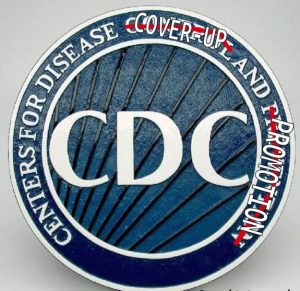
CDC Vaccine Excipient chart pdf (downloadable)
There are items on the list more obfuscated than excipients that are self explanatory like “formaldehyde” such as Mueller’s growth medium…What is that? Here is a link to the details…for example:
What is Modified Mueller and Miller medium?
The procedure involves the use of a variant and somewhat unstable strain of Clostridiium tetani and a culture medium containing a pancreatic digest of casein with additional cystine and tyrosine, beef heart infusion, glucose, and inorganic salts. A high concentration of iron must be provided.


 VLA Comment: 20% of the population are dyslexia.
Excerpt: Dyslexia and other learning disabilities have been linked to immunizations. This increase correlates with the time that the world began administering vaccines to children in the sixties. In the book that linked health problems to immunizations, DPT: A Shot in the Dark, Coulter and Fisher, the authors, estimated that 12,000 to 15,000 cases of severe neurological damage are caused by childhood vaccines each year Coulter went on to site the following: “One child in five or six is affected, to some degree, by the vaccination … about 20 percent of the population!
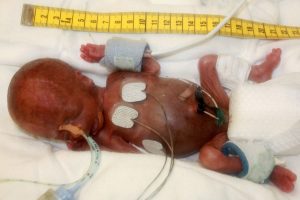
Summary of Findings
The authors of the recently published study on premature birth, vaccination and neurodevelopmental disorders summarize their findings as follows:
VLA COMMENT: It is a regular practice to vaccinate premature babies as well to give them Vitamin K shot with 100mgs. of aluminum and to feed them through a tube with substance that also contains aluminum.